
OUR SERVICE
Passive House Design and Build
OUR SERVICE
Passive House Design and Build
What Is a Passive House?
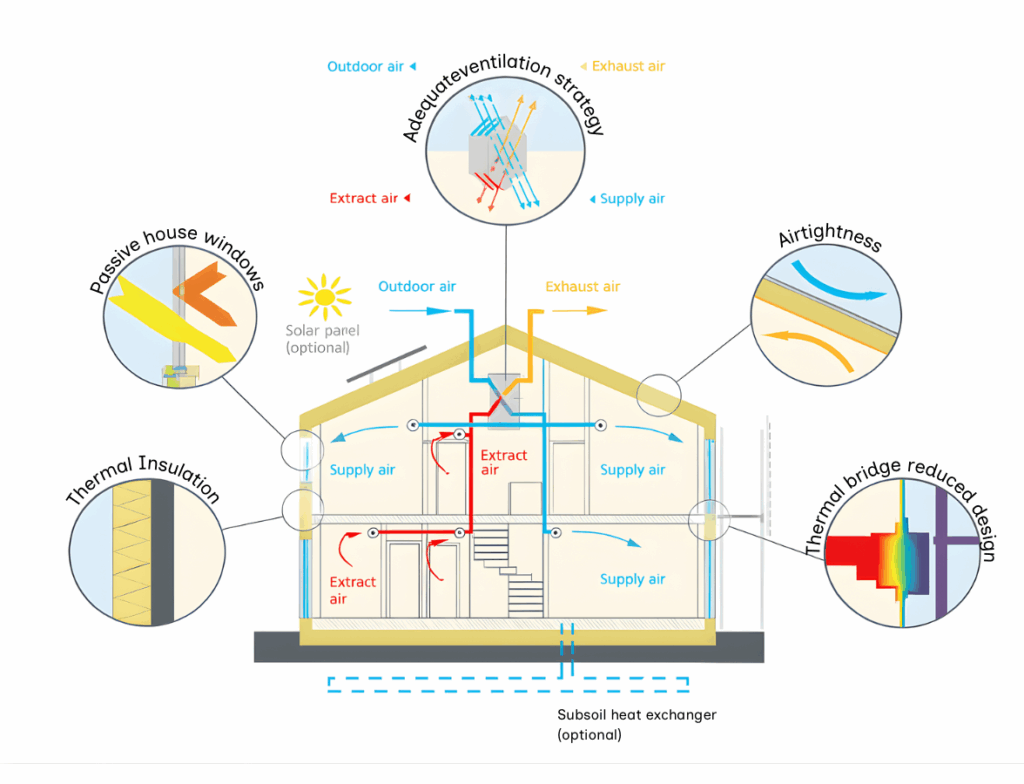
Passive House (or Passivhaus) is a high performance building standard that creates healthy, comfortable and energy efficient homes. It focuses on improving the building envelope so temperatures stay stable, air stays clean and energy use remains low. This delivers year round comfort with very little heating or cooling.
A certified Passive House is:
- Highly insulated
- Airtight
- Free from thermal bridges
- Built with high performance windows and doors
- Supported by mechanical ventilation with heat recovery (MVHR)
Together, these features help maintain indoor temperatures between 20°C and 25°C while reducing condensation, mould risk and temperature fluctuations.
Core Passive House principles including insulation, airtightness, thermal bridge reduced design, high performance windows and balanced heat recovery ventilation.
How Passive House Standards Work
High Performance Insulation
Continuous insulation around the building envelope reduces heat loss and helps maintain stable indoor temperatures.

Airtight Construction
Airtight layers minimise uncontrolled air leakage, reducing drafts and improving overall efficiency.

Thermal Bridge Reduced Design
Careful detailing removes weak points where heat usually escapes.

High Performance Windows
Specialised glazing regulates solar gains and retains heat, contributing to comfort throughout the home.

Mechanical Ventilation with Heat Recovery (MVHR)
The system supplies filtered fresh air to living areas while outgoing air transfers its heat. This keeps the indoor environment fresh, healthy and energy efficient.
Why Build a Passive House?
Can you retrofit a home to Passive House standards?
Yes, you can retrofit a home to a Passive House standard, though it presents unique challenges and often uses the slightly less stringent EnerPHit standard for retrofits. The process involves improving the building’s thermal envelope through enhanced insulation, airtightness, and high-performance windows, and it can achieve significant energy savings, better comfort, and improved indoor air quality. Key challenges include working around existing structures, managing thermal bridges, and carefully planning for ventilation systems.
Why Choose Davicon
01Certified Tradespeople
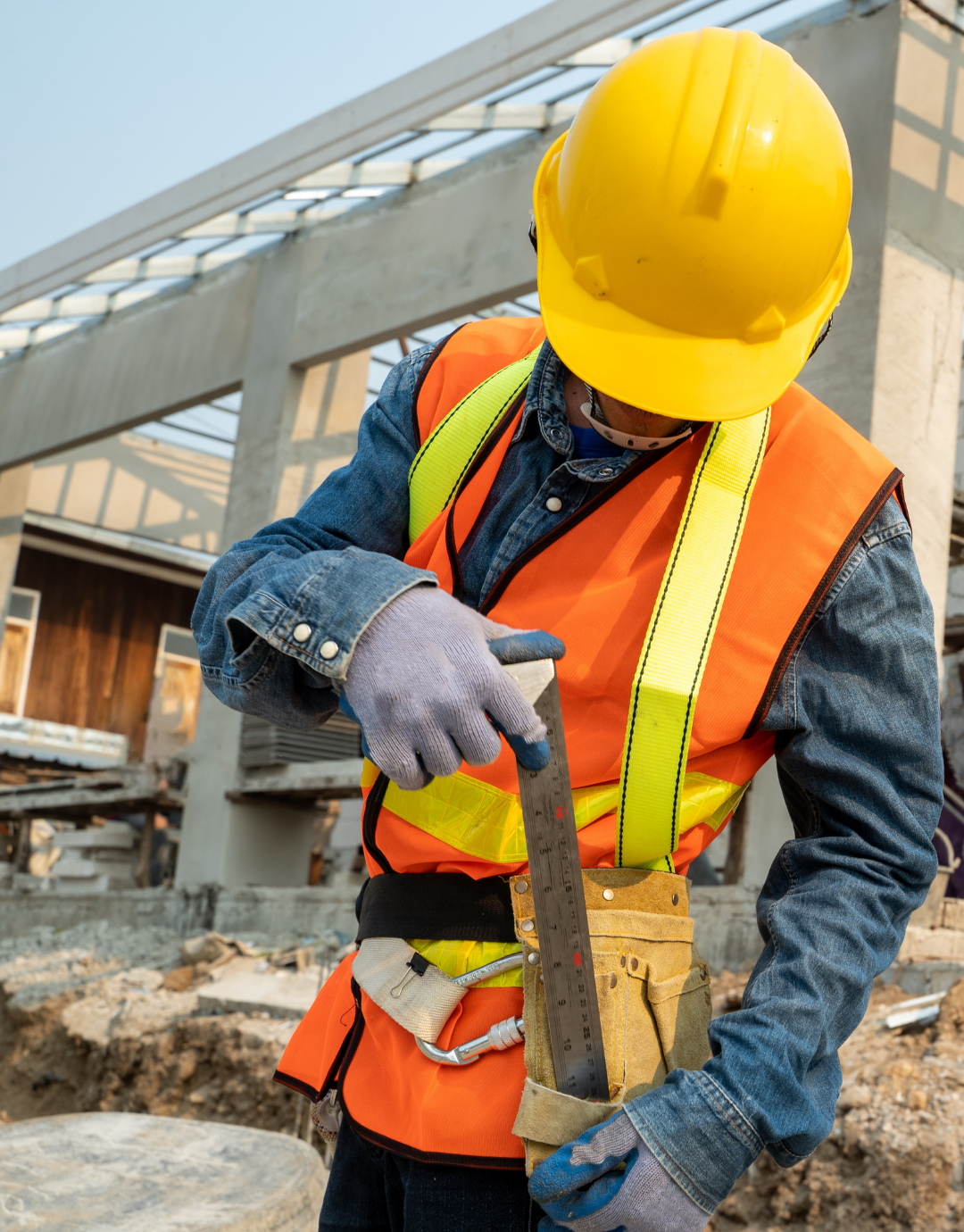
We are Passive House Tradesperson Certified, ensuring your home meets global performance standards.
02Quality Driven Construction
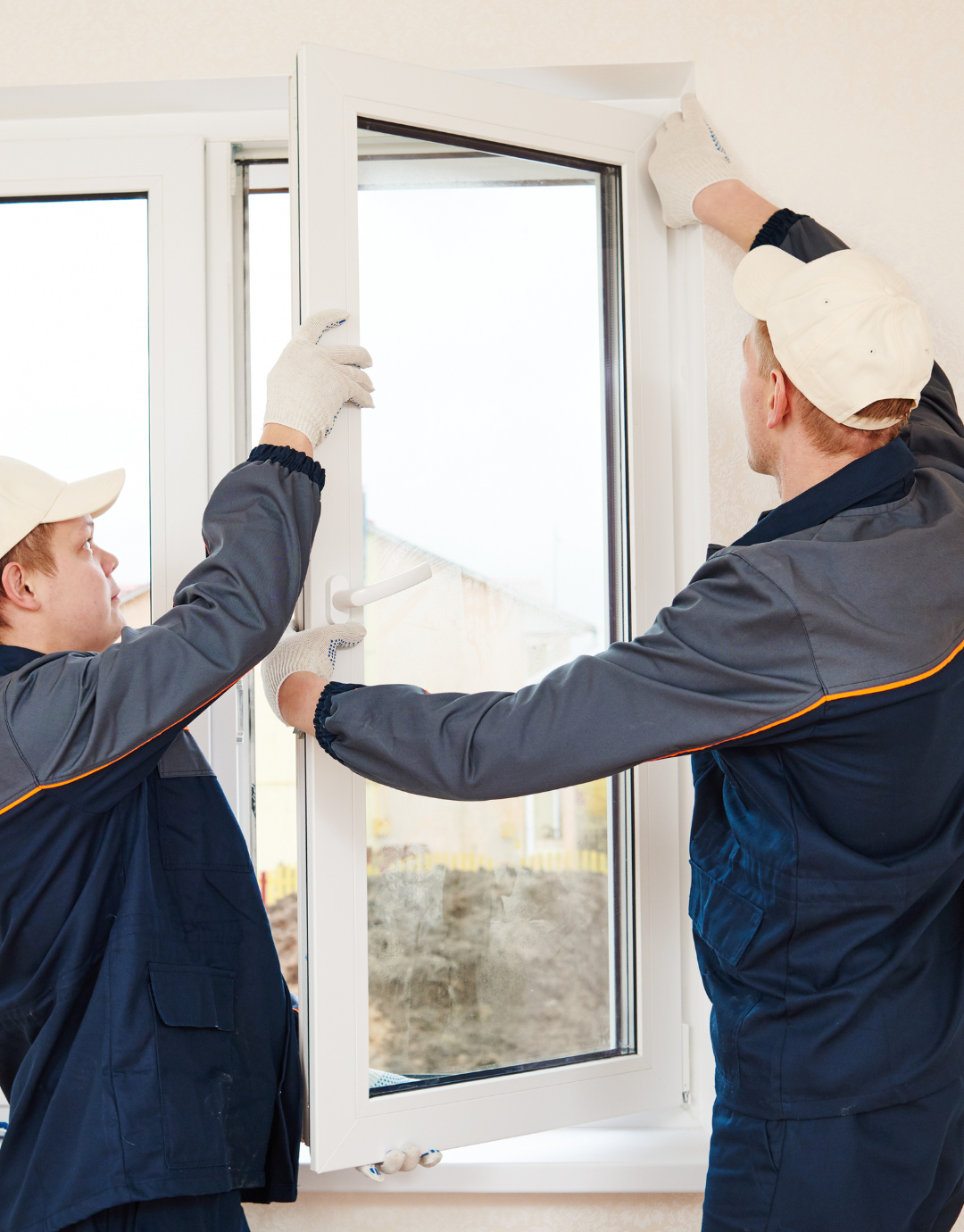
We use a fabric first approach with precise insulation, airtightness and structural detailing.
03Proven Industry Experience
Our team has strong experience delivering high performance homes across Australian conditions.
04Transparent Collaboration
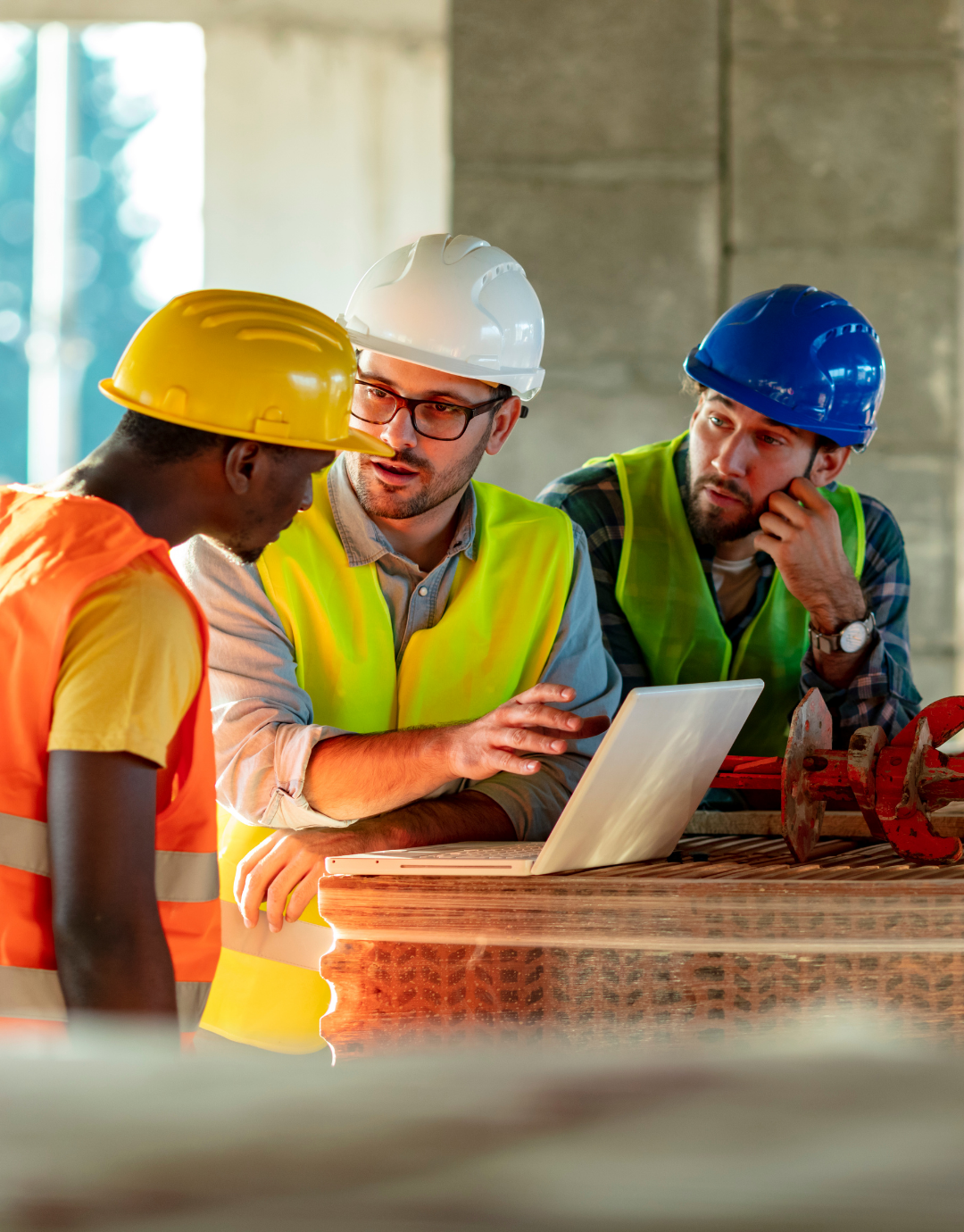
We work with you through every stage so the final result aligns with your goals and budget.
05Long Term Value
We build durable, efficient homes that lower energy use and improve long term comfort.
FREQUENTLY ASKED QUESTIONS
What is a Passive House?
A Passive House is a high performance building standard that keeps your home comfortable with very low heating and cooling demand. It relies on insulation, airtightness, thermal bridge reduction, high performance windows and mechanical ventilation with heat recovery. You can learn more about how these principles work through the YourHome Passive House guide.
Does Passive House work in Australia?
Yes. Passive House performs extremely well across Australia’s climate zones when the home is properly modelled and detailed. The Australian Passive House Association explains how Passive House adapts to warm, humid and mixed climates found throughout the country.
Can you open windows in a Passive House?
Yes, windows can be opened anytime. Passive House simply ensures that when windows are closed, the home still receives fresh, filtered air through a mechanical ventilation system. The Certified Energy Passive House Retrofit article provides a clear explanation of how ventilation works in both new builds and retrofits.
How much does a Passive House cost in Australia?
Building a Passive House in Australia generally costs 10 to 25 percent more than standard construction. The final price depends on the size of the home, design complexity, insulation levels, airtightness requirements and certified window or ventilation systems. Many homeowners recover these costs over time through lower energy bills, improved comfort and reduced maintenance.
Thinking about building one? Contact us and we can guide you through Passive House budgeting for your project.